

Hydraulic Engineering Machinery
Why choose us
Our Factory
Henan Puwei Machinery Equipment Co., Ltd. is a high-tech joint-stock enterprise with a good reputation both domestically and internationally. It was established on October 29, 2018, and its registered address is No. 8, Nanpu Shuangchuang Industrial Park, Changyuan County, Xinxiang, Henan Province. The company specializes in the manufacturing of hydraulic and lifting machinery.
Our Product
The business scope includes the sales, installation, and maintenance of lifting equipment, hoists, dam top door operators, electric flat cars, electric hoists, cranes, winches, lifting accessories, hydraulic metal structures, engineering machinery, and complete machines.
Product Application
Lifting equipment has a wide range of applications across construction, manufacturing, mining, aviation, shipping, logistics, and other industries. With the continuous advancement of science and technology, the design and manufacturing processes of lifting equipment are also constantly improving, providing better handling services to users from all walks of life.
Production Market
In recent years, our company has adhered to the concepts of efficiency, professionalism, and integrity. We have achieved outstanding performance for our customers and received widespread praise. Our products are distributed throughout China's Yunnan, Hubei, Hunan, Guangdong, Guizhou, and other regions, with a significant number of cranes and hoisting machinery exported to Southeast Asian countries such as Vietnam, Laos, and Myanmar.
Our Service
Our company adheres to the ISO9001 international quality system as the standard, with strict corporate management as the guarantee. It is our firm commitment to provide customers with high-quality pre-sales, sales, and after-sales services. Enthusiasm, timeliness, satisfaction, and thoughtfulness are the tenets of our after-sales service. If customers provide feedback on product quality, the company will resolve any inconveniences and offer technical consultation and services in the shortest possible time.
What is Hydraulic Engineering Machinery
Hydraulics rely on a motor-driven pump to propel pressurized fluid via hoses or tubes through the system under pressure. In a heavy construction machine, the fluid passes through valves and enters a cylinder, which converts hydraulic energy into mechanical energy. The valves also help to direct the flow of the liquid and regulate pressure as needed.
Hydraulic systems control the function of many components in heavy machinery. They enable booms to swing, lift arms to move upward and buckets to scoop dirt and other materials. They also play a significant role in the drive system's operation, which allows the engine to perform efficiently.
-
 Two-way Power Station Gantry CraneTwo-way power station gantry crane is a remarkable piece of engineering that has made it possible to construct and maintain high-precision infrastructure projects, such as dams or bridges. This craneAdd to Inquiry
 -
 One-way Power Station Gantry CraneOne-way power station gantry crane is one of the important equipment of hydraulic project, which is mainly used for water level control, water level regulation and protection of dam overtopping andAdd to Inquiry
 -
 Mobile Dam Gate HoistMobile hoist is a kind of hoist and hoist equipment that can move between different work sites, mainly used to control the switch of various kinds of gates, valves and other equipment.Add to Inquiry
 -
 Electric WinchElectric hoist is a kind of lifting equipment that uses the motor as the power source, and realizes the lifting or translation of the object by turning the drum through the driving device.Add to Inquiry
 -
 Hydropower Sewage Treatment Bar ScreenA bar screen is a mechanical device that consists of a series of parallel bars that are spaced a certain distance apart. The wastewater flows through the bars, and any large objects that are too bigAdd to Inquiry
 -
 Flat Fixed Wheel Steel Sluice GateFlat fixed wheel steel gate is a type of gate commonly used in hydraulic engineering, hydropower station, drainage system and other fields.Add to Inquiry
 -
 Radial Steel GateCurved steel gate is a common equipment in hydraulic engineering, which is mainly used for regulating water level, controlling water flow and flood control.Add to Inquiry
 -
 Stainless Steel Sluice GateStainless steel gate is a control device widely used in various industrial and commercial fields, its main role is to isolate and regulate the flow of water, gas or other fluids.Add to Inquiry
 -
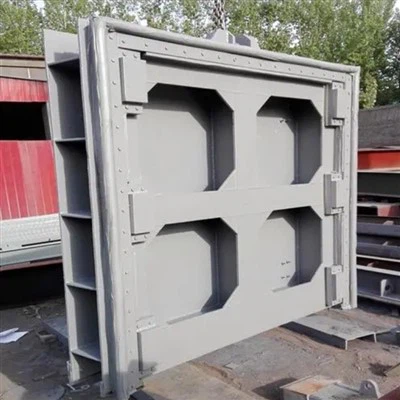 Flat Sliding Steel Sluice GatePlane sliding steel gate is an important part of hydraulic structure, which is mainly used for closing and opening drainage channels, intercepting water flow, controlling water level, regulatingAdd to Inquiry
 -
 Stop Log GateStop log gate is a kind of equipment commonly used in hydraulic engineering. A stop log gate is a gate composed of multiple RAMS, each of which is secured by connecting pieces such as bolts or pins.Add to Inquiry
 -
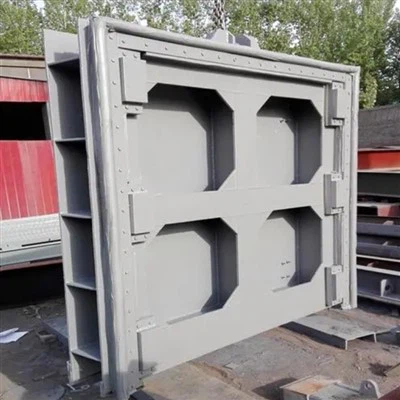 Landscape Steel Dam GateLandscape steel dam gate is a combination of hydraulic engineering function and landscape aesthetic design of the gate. It is a new type of water conservancy engineering equipment, which cleverlyAdd to Inquiry
 -
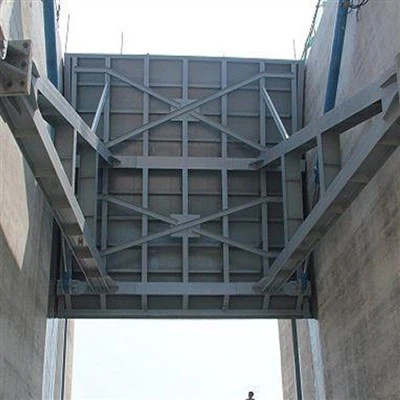 Barrage Steel Dam GateBarrage steel dam gate is a steel structure gate, which is usually composed of the gate body, support system, opening and closing device, and control system. With its unique structure and materialAdd to Inquiry


Benefits of Hydraulic Engineering Machinery
Unmatched Power and Accuracy
The enormous force that hydraulic machines can exert under precise control is one of the main factors contributing to their popularity. This unique combination allows you to perform delicate tasks with ease while managing heavy-duty duties effortlessly.
Hydraulic Machinery Increases Your Productivity
The distinguishing characteristic of hydraulic systems is their extraordinary efficiency. They reduce unnecessary energy waste, making them a more cost-effective alternative to traditional power transmission techniques. By lowering operating expenses, they become more appealing to customers across all industries.
Dependability and Durability
The reputation of hydraulic machinery as reliable and durable is well-earned. Unlike their competitors, their longer lifespan ensures that they continue to perform without frequent malfunctions when properly maintained.
Safety Measures
In the engineering field, it is essential to consider potential risks when using hydraulic equipment. Quick hiring for these positions and a reduction in compensation claims and downtime are two advantages of implementing the safest practices. Furthermore, the safety measures you implement will positively impact your company’s reputation. Equipment malfunctions can negatively affect your reputation among clients and prospective workers in your sector.
Hydraulic Lifts
The hydraulic lift is an elevator that is operated by fluid pressure generated by a suitable fluid. It is used to raise automobiles in service stations and garages. In a hydraulic lift, two pistons are separated by a space filled with liquid. A piston of small cross-section, A1, is used to exert a force, F1, directly on the liquid. The pressure P=FAP = \frac{F}{A}P=AF is transmitted throughout the liquid to the larger cylinder attached to a larger piston of area, A2, which results in an upward force of P×A2P \times A2P×A2.
Therefore, the piston is capable of supporting a large force (the large weight of, say, a car or a truck placed on the platform).
F2=P×A2=F1×(A2A1)F2 = P \times A2 = F1 \times \left(\frac{A2}{A1}\right)F2=P×A2=F1×(A1A2)
By changing the force at A1, the platform can be moved up or down. Thus, the applied force has been increased by a factor of A2A1\frac{A2}{A1}A1A2, and this factor is the mechanical advantage of the device.
Hydraulic Brakes
The hydraulic brake is an arrangement of the braking mechanism in which suitable brake fluid is used to transfer pressure from the control mechanism to the brake mechanism. Hydraulic brakes in automobiles also work on the same principle. When we apply a small force on the pedal with our foot, the master piston moves inside the master cylinder, and the pressure is transmitted through the brake fluid to act on a piston of larger area. A large force acts on the piston and pushes it down, expanding the brake shoes against the brake lining. In this way, a small force on the pedal produces a large retarding force on the wheels. An important advantage of the system is that the pressure set up by pressing the pedal is transmitted equally to all cylinders attached to the four wheels, ensuring that the braking effort is equal on all the wheels.
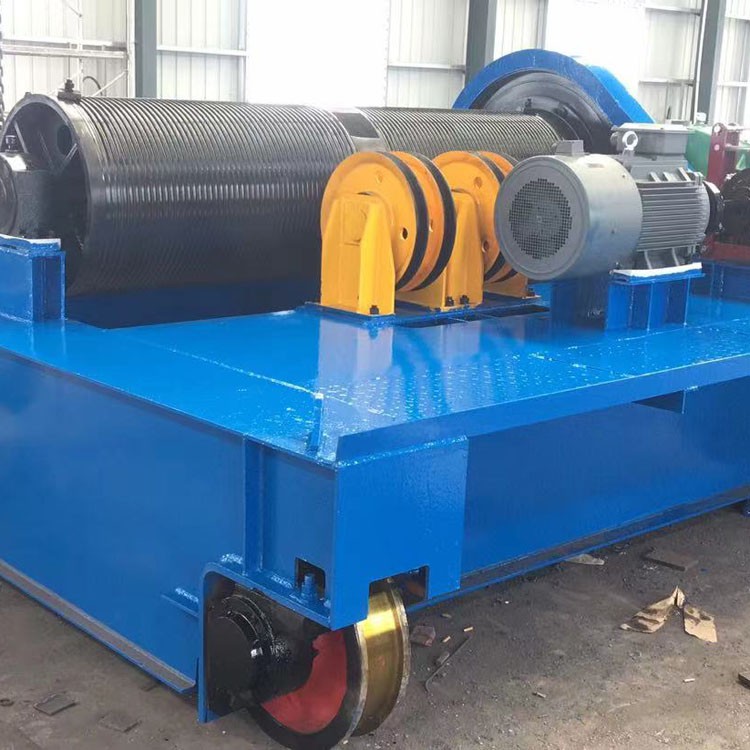
Hydraulic machinery operates on the principle of fluid power, using hydraulic fluid to transmit force and perform mechanical tasks. The basic components of a hydraulic system include a hydraulic pump, cylinders or motors, hydraulic fluid, and control valves. When the pump pressurizes the hydraulic fluid, it creates force that is transmitted to the cylinders or motors, causing them to move and perform work.
What Makes Hydraulic Engineering Machinery?
Here are some of the components used in hydraulic engineering machinery:
Hydraulic Pumps
Hydraulic pumps are responsible for supplying high-pressure fluid flow to the pump outlets. Pumps used for hydraulics are powered by an electric motor and are connected through flexible elastomeric couplings to reduce vibration. Some common types of hydraulic pumps include gear pumps, vane pumps, and axial piston pumps.
Control Valves
Control valves contain and route the flow and pressure of the fluid to the desired actuator. Valves consist of a spool encased in a steel housing. Some valves are designed to be typical on-off types, while others are proportional, in which the flow rate corresponds to the valve position. Examples of control valves include shuttle valves and pressure regulators.
Actuators
Hydraulic actuators function with pressurized, incompressible fluid to rotate mechanical components. Actuators often come in the form of brakes and hydraulic motors.
Accumulators
One of the most common parts of hydraulic machinery is the accumulator. Accumulators function by using pressurized gas and incompressible liquid to store energy, absorb shock, eliminate noise, and counterbalance loads for the machinery.
Filters
Similar to filters used in other machines, hydraulic filters remove unwanted particles from the fluid. Metal components typically produce metal particles that need to be separated, along with other contaminants from the fluid. Hydraulic filters are also often used for handling different types of oils, such as petroleum-based oils and emulsions.
Hoses
Hoses designed for hydraulic machinery are specifically made to transport hydraulic fluid to and among hydraulic components, valves, actuators, and tools. They are graded by pressure, temperature, and fluid compatibility. They also serve as an alternative if tubes and pipes are deemed unusable for certain types of machinery.
Tips for Maintaining Your Hydraulic Engineering Machinery
Hydraulic Fluid Maintenance
The hydraulic fluid powers the hydraulic machinery by transmitting pressure and energy throughout the system. It performs other critical functions, such as reducing friction and lubricating the system to prevent rust and corrosion. It also removes heat and contaminants, such as dirt and debris, from the hydraulic system.
For the fluid to perform these functions effectively, it must remain uncontaminated and clean. Factors such as system overheating and contamination can negatively impact the fluid and reduce its effectiveness. The first step of hydraulic fluid maintenance is visually inspecting the fluid and hydraulic system for:
• System leaks: Check your hydraulic system for liquid pooling or stains, which indicate leaks, and fix these before they get out of hand.
• Fluid discoloration: Look for sudden changes in hydraulic fluid color that give it a milky or bubbly appearance. This kind of color change indicates contamination by water or air.
• Hydraulic system odor: Be alert to a burnt oil smell, which indicates overheated system components.
Filter indicators effectively display the level of contamination using a pop-up indicator or a gauge. Additionally, chemical fluid testing measures levels of contamination that the naked eye can’t detect. It’s performed in a laboratory and reveals the amounts of air, water, and dirt in the fluid, as well as the chemical reactions that may be taking place.
Here are tips to care for your hydraulic fluid to prevent contamination:
• Monitor system temperature levels: Measure the system’s temperature regularly to ensure it’s not too hot or cold. When it’s too hot, the water in the fluid evaporates, reducing viscosity and film thickness, subsequently increasing friction and wear of the components. When temperatures are too low, it causes an increase in viscosity, leading to excessive pressure drop and cavitation.
• Check fluid levels regularly: Top off fluids as necessary to prevent cavitation, poor performance, and overheating. Most manufacturers also recommend emptying and changing your fluid every 1,000 days or when contamination is detected. Always use the same brand, type, and viscosity of hydraulic fluid recommended by the manufacturer to prevent system failures.
• Maintain a clean environment: Keep the drain lines, reservoir cover, filter bowl, fill cap, and breather fill openings clean to prevent contamination. Wipe off any dirt and grime from the exterior of your machinery using a lint-free cloth to prevent contaminants from entering the system. Additionally, perform maintenance in a clean workspace.
• Inspect the pump and reservoir: Check the inside of the pump and reservoir for contamination and signs of aeration, like foam and air bubbles. Aeration can damage the pump and is typically caused by high fluid viscosity, air leaks in the suction seals, and low fluid levels.
Component Maintenance
The hydraulic system consists of many components. Here’s how to maintain some of these main parts:
• Check for leaks in hydraulic lines, which consist of components such as hoses, fittings, tubings, connections, and seals. They deteriorate over time due to wear and tear, increasing the risk of bursts in the closed system.
• Check for overheating and excessive electricity usage in the hydraulic electric motor using a thermometer. Servicing is necessary to prevent extensive equipment damage if the areas around the housing and rotor bearings are too hot.
• Check filter indicators and differential pressure gauges and replace any that show negative values or signs of wear.
• Change clogged filters regularly to ensure the system continually performs optimally.
• Check seals for damage or leaks and replace them if necessary. These may indicate rod corrosion caused by excess friction.
Preventive Maintenance Tips
While maintaining your hydraulic system is an ongoing process, regular preventive measures are essential to ensure optimal performance. Preventive maintenance involves pre- and post-operation inspections, repairs, and replacements. It aims to detect anticipated problems and stop them before they occur to avoid unplanned breakdowns and downtime.
Here are some preventive hydraulic system maintenance tips:
• Test performance: Routine system checks for oil levels, temperatures, case drain flow, and actuator speed reveal how your hydraulic system is performing. A slow and steady decrease in performance is normal with any machinery, but rapid drops indicate a potentially catastrophic issue that must be fixed quickly.
• Record routine maintenance activities: Maintain a clear schedule that documents regular preventive maintenance activities such as inspections, servicing, and part replacements. Keeping records of these activities helps prioritize them.
• Filter hydraulic fluid: Before adding fresh hydraulic fluid to the system, filter it to reduce the risk of contamination.
• Check and replace hydraulic filters: Regularly check your hydraulic filters before the manufacturer’s recommended date to prevent contamination of the hydraulic fluid. Install high-quality filters to ensure the fluid is efficiently and effectively decontaminated before circulating in the system.
● Corrective Maintenance
Corrective maintenance involves taking measures to address problems discovered in the hydraulic system. These problems may be identified during preventive maintenance and addressed before they escalate or after a system breakdown.
An example of corrective hydraulic system maintenance measures is draining all existing hydraulic fluid after significant levels of contamination are discovered. Repairing and replacing hydraulic system components, such as the pump, accumulator, and valves, after a breakdown also constitutes corrective maintenance measures.
Factors to Consider When Selecting the Hydraulic Engineering Machinery
Reliable Hydraulic Components
Carefully selecting critical components for each hydraulic circuit or power unit will increase equipment reliability. Pumps, valves, fittings, decompression, and pump timing are areas of focus that not every press manufacturer prioritizes.
Tooling/Part Quality
Selecting a piece of equipment designed and manufactured with high-quality components will help ensure equipment longevity and reliability. Ensure the manufacturer you purchase from has expertise in various tool steels, coatings, and inserts. It’s important to ensure any manufacturer you work with has a history of delivering quality equipment.
Modularity
It might seem simple, but it’s important not to overlook whether or not the press you select will fit your application and floor space. When machinery is given adequate space, access is easier and routine maintenance and repairs can be completed more efficiently. Not all presses are one-size-fits-all, so finding the equipment that provides both flexibility and reliability is key.
Our Factory
Henan Puwei Machinery Equipment Co., Ltd. was established on October 29, 2018, and its registered address is located at No. 8, Nanpu Shuangchuang Industrial Park, Changyuan County, Xinxiang, Henan Province. The business scope includes lifting equipment, hoists, dam top door operators, cleaning machines, electric flat cars, electric hoists, cranes, winches, lifting accessories, hydraulic metal structures, engineering machinery equipment and accessories, electric hoists, and complete machine parts. Sales, installation, maintenance, and manufacturing.


FAQ
We're professional hydraulic engineering machinery manufacturers and suppliers in China, specialized in providing high quality custom service. We warmly welcome you to wholesale cheap hydraulic engineering machinery from our factory.
Cast Iron Sluice Gate, industrial equipment, ME Gantry Crane